
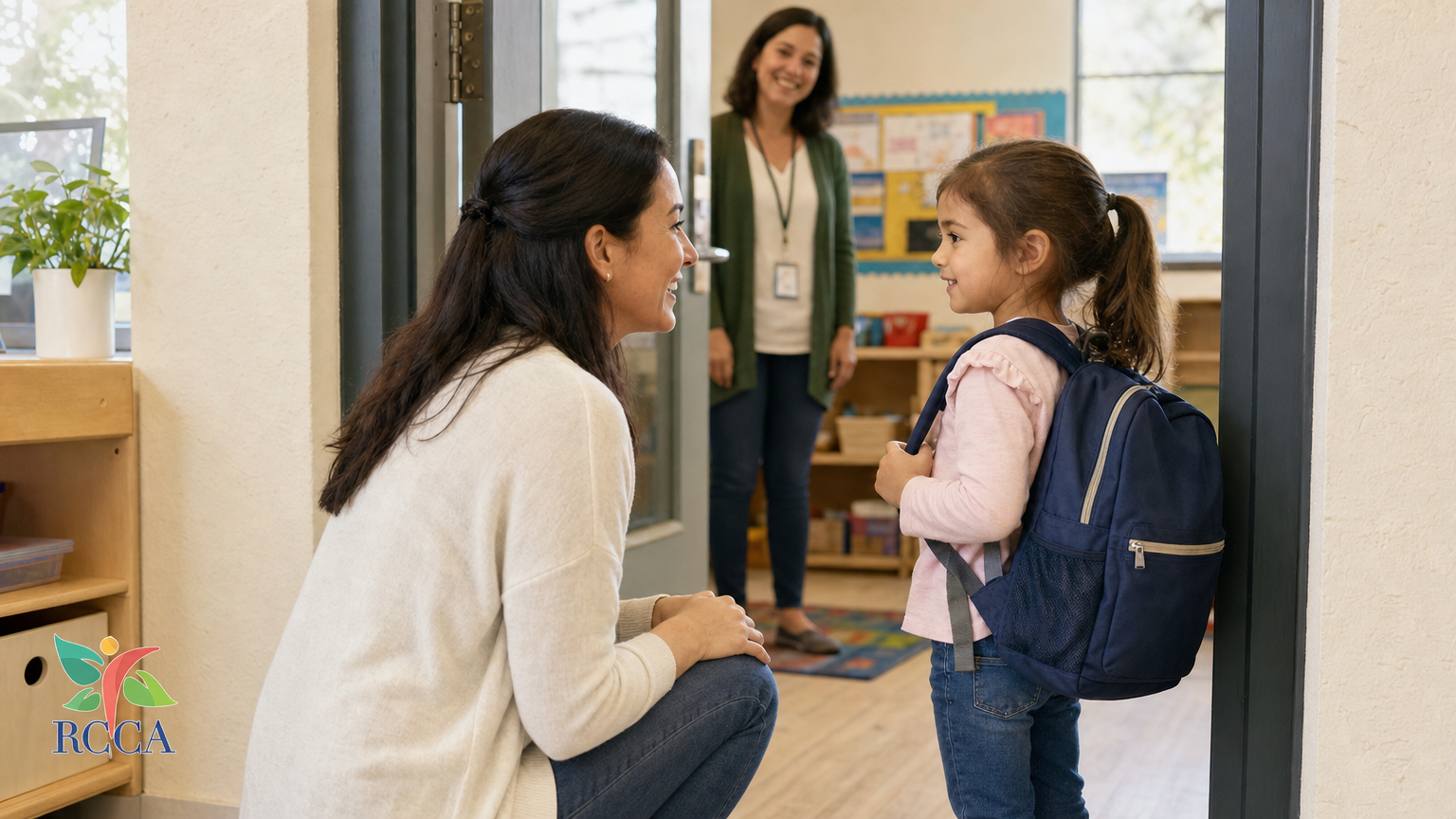
What Actually Helps in the First Week
The fastest way to prepare a child for preschool is to shrink the number of new things they face on day one. A child walking into a classroom for the first time is already managing a new room, new adults, and new routines — anything you can make familiar beforehand (the drop-off process, the backpack, even the walk to the door) reduces how much they have to adjust to all at once.
This matters more than any single "readiness" activity. Children don't need to know their letters or sit still for twenty minutes before starting preschool. What helps is predictability: a child who knows roughly what the morning will look like settles faster than one who doesn't.
The Week Before: Build the Routine Early
Start the wake-up and bedtime schedule the preschool will actually use at least a few days before the first day, not the night before. A child who's been going to bed an hour later than usual will have a harder time at drop-off regardless of how excited they are.
Talk about preschool in simple, concrete terms — what they'll do, who will be there, and that you will come back to pick them up. Avoid over-promising ("you'll have so much fun every second") since a child who hits a rough moment may feel like something went wrong. A more honest framing — "some parts will be new, and that's okay" — holds up better when the day doesn't go perfectly.
Practice the Goodbye, Not Just the Morning
Drop-off, not the classroom itself, is usually what children struggle with most in the first week. If possible, practice a short separation beforehand — leaving them with a relative or at a drop-in activity for twenty or thirty minutes — so the first time they experience you leaving isn't also the first day of school.
Keep the actual goodbye short and consistent. A long, lingering goodbye tends to prolong distress rather than ease it, because it signals to the child that this is a moment worth being upset about. A brief hug, a clear "I'll be back after lunch," and a confident exit work better than negotiating or sneaking away.
What to Pack for the First Day
A spare set of clothes, anything specifically requested by the school, and a labeled water bottle or lunch if the program doesn't provide one cover most of what's needed. Avoid packing a favorite toy unless the school allows it — comfort items can become a source of conflict if other children want to share them, which adds stress rather than reducing it.
If your child has any specific needs — a feeding schedule, a medical note, or a sensory preference — put it in writing for the teacher rather than relying on a verbal mention at drop-off, when things are busiest.
The First Few Days Are Often the Hardest, Not the First Hour
Many parents expect the worst reaction on day one and are surprised when the real difficulty shows up on day two or three, once the novelty wears off and the child realizes this is now a daily routine. Increased tiredness, shorter tempers at home, and resistance to getting dressed in the morning are common in the first week and usually settle within a week or two as the schedule becomes familiar.
If a child is still struggling significantly after the first couple of weeks — ongoing distress at drop-off, regression in sleep or toileting, or a teacher flagging a specific concern — that's worth a direct conversation with the classroom staff rather than waiting it out longer.
Ask the Preschool What to Expect, Not Just What to Bring
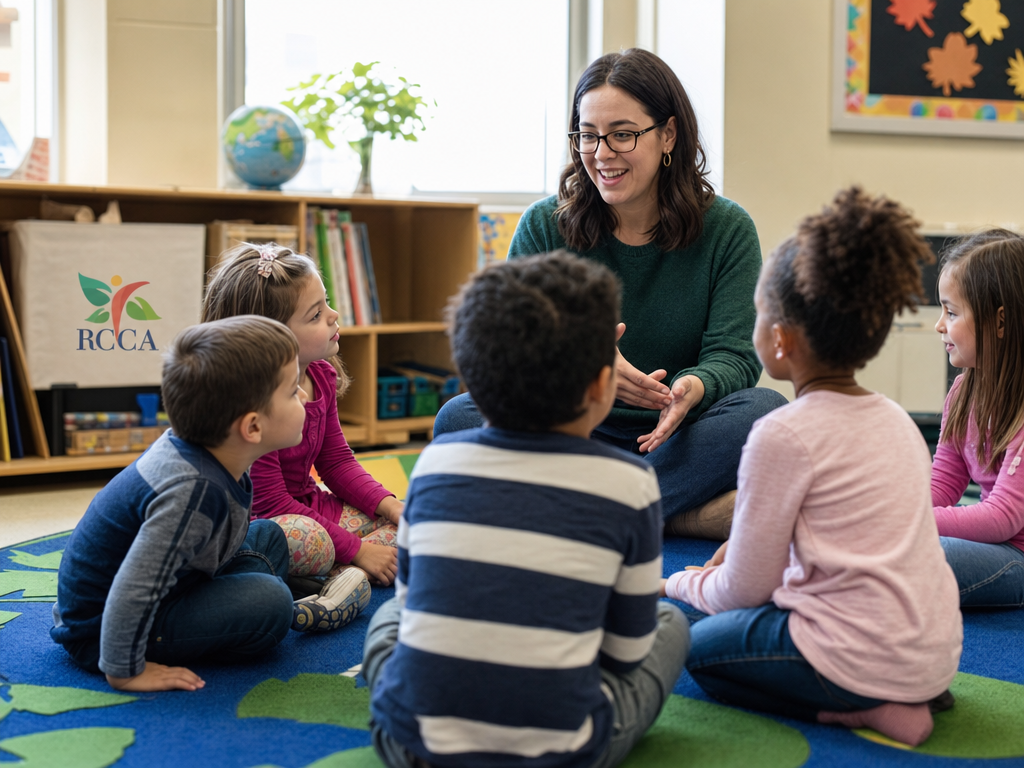
Before the first day, it's worth asking the school directly how they handle drop-off, what a typical morning looks like, and how they'll communicate with you if something comes up during the day. A program that's used to supporting children with a range of needs — including an inclusive classroom where children with and without additional needs learn together — will usually have a clear answer to these questions, because it's part of how the classroom runs day to day. RCCA's preschool program is one example of a Palm Beach classroom set up this way, and a direct conversation with the teacher beforehand is a reasonable way to find out what the first week will actually involve for your child specifically.
Questions and answers
How long does it usually take a child to adjust to preschool?
Most children settle into the routine within one to two weeks, though some adjust faster and others take longer. A gradual improvement — fewer tears at drop-off, more engagement during the day — is the sign to look for, rather than expecting a smooth first morning.
Should I stay in the classroom on the first day?
Follow the school's own policy on this, since programs differ in how they handle it. In general, a brief, confident goodbye tends to help a child settle faster than a parent lingering in the room, even if the parent's instinct is to stay until the child is fully calm.
What if my child cries every morning during the first week?
Morning tears in the first week are common and usually ease as the routine becomes familiar. If crying is severe, doesn't improve after a couple of weeks, or is paired with other changes like trouble sleeping, that's worth raising directly with the teacher.
If you'd like to see what a first week might look like in a real classroom, reach out to RCCA to ask about their preschool program directly.